
Pass ACFE Exams on first attempt with the help of our proxy services or our guaranteed exam questions and answers, We can pass the exam on your behalf, if you are not sure of passing the exam on your own, when working with us, there's no chance for failure. Contact Us Today, cfe certification in Europe and Middle East.
cfe certification in Europe and Middle East in 2027: Complete Guide to Requirements, Exam, Cost & Career Opportunities
Last Updated: November 2026
The Certified Fraud Examiner (CFE) certification is one of the most recognized professional credentials in the field of fraud prevention, detection, investigation, and deterrence.
Awarded by the Association of Certified Fraud Examiners (ACFE), the CFE credential is designed for professionals who want to develop expertise in identifying financial misconduct, investigating fraudulent activities, and helping organizations prevent fraud.
Whether you are an accountant, auditor, compliance professional, investigator, or finance graduate, obtaining the CFE certification can be an important step toward building a career in anti-fraud and financial investigations.
But what exactly is CFE certification? What are the eligibility requirements? How difficult is the exam? And how much does it cost?
This comprehensive guide answers these questions and explains everything you need to know about becoming a Certified Fraud Examiner in 2026.
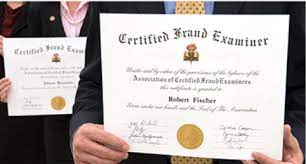
1. What Is CFE Certification?
CFE stands for Certified Fraud Examiner.
It is a professional certification issued by the Association of Certified Fraud Examiners, a global anti-fraud professional organization headquartered in Austin, Texas.
The certification demonstrates that an individual has the professional knowledge and expertise required to identify, prevent, investigate, and deter fraud.
CFE professionals develop skills in several important areas, including:
- Financial transaction analysis.
- Fraud detection and prevention.
- Fraud investigation techniques.
- Interviewing and evidence collection.
- Financial crime investigation.
- Legal aspects of fraud examination.
- Internal controls and risk management.
The credential is relevant to professionals working in financial institutions, government agencies, consulting firms, insurance companies, accounting firms, and corporate organizations.
2. What Does a Certified Fraud Examiner Do?
A Certified Fraud Examiner helps organizations identify fraud risks, investigate suspicious activities, and strengthen internal controls.
Their responsibilities vary depending on their employer and professional specialization.
Common responsibilities include:
Fraud Investigation
Investigating suspected fraud, collecting evidence, interviewing relevant individuals, and documenting findings.
Financial Analysis
Reviewing financial statements, transactions, accounting records, and unusual financial activities to identify potential fraud indicators.
Fraud Prevention
Helping organizations establish effective internal controls, fraud prevention policies, and risk management procedures.
Compliance and Risk Management
Identifying weaknesses in organizational processes and recommending improvements to reduce fraud exposure.
Reporting and Documentation
Preparing investigation reports, documenting findings, and communicating conclusions to management or relevant authorities.
3. Who Should Get CFE Certification?
The CFE certification is suitable for professionals who work in, or want to enter, the anti-fraud profession.
It can be particularly valuable for:
- Internal auditors.
- External auditors.
- Accountants.
- Forensic accountants.
- Compliance officers.
- Risk management professionals.
- Financial crime investigators.
- Banking professionals.
- Insurance investigators.
- Law enforcement professionals.
- Corporate security professionals.
- Fraud analysts.
It may also be relevant to graduates interested in developing a career in fraud examination, although applicants must satisfy ACFE's eligibility requirements before becoming certified.
4. CFE Certification Requirements in 2026
To become a Certified Fraud Examiner, candidates must satisfy five main requirements established by ACFE.
Requirement 1: Become an ACFE Member
You must be an Associate Member of the Association of Certified Fraud Examiners to take the CFE examination and earn the credential.
Membership provides access to professional resources, training opportunities, industry publications, and the international anti-fraud community.
Requirement 2: Meet the Eligibility Points Requirement
ACFE uses a qualifying points system to evaluate candidates' education and professional experience.
There are two important thresholds:
- At least 40 qualifying points to take the CFE examination.
- At least 50 qualifying points to receive the CFE credential.
Points may be earned through qualifying education, approved professional credentials, and fraud-related work experience.
A bachelor's degree or equivalent from an accredited institution generally provides 40 qualifying points.
No specific academic field is required.
Candidates without a bachelor's degree may use qualifying academic study and fraud-related professional experience under ACFE's eligibility rules.
Requirement 3: Have Two Years of Fraud-Related Experience
Candidates must have at least two years of professional experience in a field directly or indirectly related to fraud detection or deterrence to receive the CFE credential.
Relevant experience may include:
- Accounting.
- Auditing.
- Criminology.
- Investigation.
- Loss prevention.
- Law enforcement.
- Legal work related to fraud.
Other professional experience may also qualify if the responsibilities involve fraud prevention, detection, or investigation.
You may be able to take the examination before completing the two-year experience requirement, provided you meet the examination eligibility requirements. However, you cannot receive the credential until all certification requirements are fulfilled.
Requirement 4: Pass the CFE Examination
You must successfully pass all three sections of the CFE examination.
Each section evaluates a different area of fraud examination knowledge.
Requirement 5: Follow the ACFE Code of Professional Ethics
Candidates must agree to follow the ACFE Code of Professional Ethics and demonstrate the professional integrity expected of Certified Fraud Examiners.
5. CFE Exam Structure in 2026
In June 2026, ACFE introduced an updated CFE examination with a revised structure and content outline.
The current examination consists of three sections.
Section 1: Fraud Schemes and Financial Crimes
This section examines different types of fraud schemes and financial crimes that can affect organizations and individuals.
Topics include:
- Asset misappropriation.
- Corruption.
- Financial statement fraud.
- Fraudulent disbursements.
- Money laundering.
- Other financial crimes.
- Fraud detection methods.
Section 2: Fraud Investigations and Legal Issues
This section focuses on the investigation process and the legal considerations associated with fraud examination.
Topics include:
- Investigation planning.
- Evidence collection.
- Interviewing techniques.
- Fraud investigation procedures.
- Legal considerations.
- Rules relating to evidence.
- Investigation reporting.
Section 3: Fraud Prevention and Deterrence
This section focuses on understanding why fraud occurs and how organizations can prevent it.
Topics include:
- Fraud risk assessment.
- Internal controls.
- Fraud prevention programs.
- Organizational ethics.
- Fraud deterrence.
- Behavioral factors associated with fraud.
- Corporate governance.
CFE Examination Format
The examination is closed-book and closed-notes.
| Exam section | Questions | Time allowed |
|---|---|---|
| Fraud Schemes and Financial Crimes | 120 | 2.5 hours |
| Fraud Investigations and Legal Issues | 120 | 2.5 hours |
| Fraud Prevention and Deterrence | 70 | 1.5 hours |
The total examination consists of 310 questions across three separately administered sections.
Passing score: You must correctly answer at least 75% of the questions in each section.
The exam is computer-based and live-proctored through Prometric. Candidates can take it remotely or at an authorized Prometric testing center.
6. How Much Does CFE Certification Cost in 2026?
The financial investment required to obtain CFE certification depends on your membership category and preparation choices.
The main expenses include:
| Expense | Cost |
|---|---|
| CFE Exam Application | $480 |
| Silver Prep Course (member) | $899.20 |
| Gold Prep Course (member) | $1,149.60 |
| Platinum Prep Course (member) | $1,699.20 |
| Exam retake | $110 per failed section |
You must also budget for ACFE membership dues, which are separate from the examination fee.
Is CFE Certification Expensive?
The CFE credential requires an investment in examination fees, membership, and professional preparation.
However, candidates can select a preparation option that suits their budget.
For more information, read our detailed guide: CFE Certification Cost in 2026: Complete Pricing Breakdown.
7. How to Prepare for the CFE Examination
Preparing for the CFE examination requires a structured approach.
ACFE offers several learning resources and preparation options.
Official CFE Exam Prep Course
The official online preparation course offers structured learning materials, practice questions, and other study resources.
Candidates can select from different preparation packages depending on their needs.
Fraud Examiners Manual
The Fraud Examiners Manual is a comprehensive reference covering the fraud examination body of knowledge.
It is useful for candidates who prefer independent study.
CFE Exam Review Course
ACFE also offers instructor-led review training in live or virtual formats.
This option may be helpful for candidates who prefer guided learning and structured examination preparation.
Create a Study Schedule
A realistic study schedule can help you prepare more effectively.
Consider the following approach:
- Review the official CFE Exam Content Outline.
- Identify your strongest and weakest subject areas.
- Study one examination section at a time.
- Practice questions regularly.
- Review difficult topics.
- Take practice assessments.
- Schedule your examination when you feel prepared.
The time required depends on your previous experience, study habits, and familiarity with fraud examination concepts.
8. How to Apply for CFE Certification
The certification process involves five main steps.
Step 1: Join ACFE
Become an Associate Member of the Association of Certified Fraud Examiners.
Step 2: Check Your Eligibility
Use the official ACFE Eligibility Points Calculator to determine whether you have enough qualifying points.
Step 3: Prepare for the Examination
Choose an appropriate preparation method and study the official examination content.
Step 4: Submit Your Application
Complete the CFE examination application and submit the required supporting documents.
These may include:
- Educational qualifications.
- Professional experience information.
- Approved professional credentials.
- Three professional recommendations.
Step 5: Pass the Examination and Receive Certification
Successfully complete all three examination sections and satisfy the remaining certification requirements.
ACFE will review your application and examination records before awarding the credential.
9. Career Opportunities After CFE Certification
CFE certification can support career development in several professional areas.
Fraud Examiner
Fraud examiners investigate allegations of fraud and analyze evidence to determine what happened.
Forensic Accountant
Forensic accountants examine financial records, investigate irregularities, and support legal or internal investigations.
Internal Auditor
Internal auditors assess organizational controls, evaluate business risks, and identify weaknesses that could allow fraud.
Financial Crime Analyst
Financial crime analysts investigate suspicious financial transactions and support anti-money laundering and fraud prevention activities.
Compliance Officer
Compliance professionals help organizations follow regulatory requirements and maintain effective compliance programs.
Fraud Risk Manager
Fraud risk managers identify fraud exposure and develop strategies to reduce financial and operational risks.
10. Is CFE Certification Worth It?
For professionals interested in fraud examination, financial investigations, auditing, and compliance, CFE certification can be a worthwhile investment.
Some of its potential advantages include:
- International professional recognition.
- Specialized knowledge of fraud examination.
- Professional development opportunities.
- Access to the ACFE community.
- Opportunities to strengthen your professional profile.
- A structured foundation for anti-fraud career development.
However, certification does not automatically guarantee employment, promotion, or a higher salary.
Its value depends on your professional experience, industry, geographical location, and career goals.
11. Maintaining Your CFE Certification
Earning the CFE credential is not the end of the professional development process.
Certified Fraud Examiners must maintain their professional knowledge through Continuing Professional Education (CPE).
The standard annual requirement is 20 CPE credits, including at least 10 fraud-related credits and at least two ethics-related credits.
CFEs must also maintain the applicable ACFE membership and comply with the organization's professional and ethical requirements.
Always consult the current ACFE CPE policy for reporting deadlines and detailed rules.
12. Frequently Asked Questions About CFE Certification
What does CFE stand for?
CFE stands for Certified Fraud Examiner. It is a professional credential awarded by the Association of Certified Fraud Examiners.
Is CFE certification internationally recognized?
Yes. The CFE credential is recognized internationally and is relevant to professionals working in fraud prevention, detection, investigation, and deterrence.
Is a bachelor's degree required for CFE certification?
A bachelor's degree is not strictly mandatory. ACFE uses a qualifying points system that allows eligible candidates to combine academic education, approved credentials, and fraud-related professional experience.
How many years of experience are required?
You must have at least two years of professional experience related to fraud detection or deterrence to receive the CFE credential.
How many sections are in the CFE exam?
The current 2026 examination consists of three sections: Fraud Schemes and Financial Crimes, Fraud Investigations and Legal Issues, and Fraud Prevention and Deterrence.
What is the passing score for the CFE exam?
You must achieve at least 75% in each examination section.
Can I take the CFE exam online?
Yes. The examination is computer-based and live-proctored. You can take it remotely or at an authorized Prometric testing center.
How long does it take to become a Certified Fraud Examiner?
The time varies depending on your eligibility, preparation schedule, application review, and examination performance.
Is CFE better than CPA?
They serve different professional purposes. CPA focuses on accounting and related professional services, while CFE focuses on fraud prevention, detection, investigation, and deterrence. The better option depends on your career objectives.
How much does CFE certification cost?
The CFE examination application fee is $480. Membership, preparation materials, and other expenses are additional.
13. Conclusion: Is CFE the Right Certification for You?
The Certified Fraud Examiner credential is an excellent professional development option for individuals interested in investigating fraud, identifying financial misconduct, and protecting organizations from financial crime.
With its focus on fraud schemes, investigations, legal issues, and fraud prevention, the CFE certification provides a structured foundation for developing specialized anti-fraud expertise.
If you are considering a career in forensic accounting, internal auditing, financial crime investigation, or compliance, the CFE credential may be a valuable addition to your professional qualifications.
Start by reviewing the eligibility requirements, calculating your qualifying points, and exploring the official ACFE examination resources.
Take the next step toward becoming a Certified Fraud Examiner.
Visit the official ACFE website: https://www.acfe.com/
Secondary Keywords:
- Certified Fraud Examiner
- CFE Exam
- CFE Certification Requirements
- ACFE Certification
- CFE試験対策
- CFE Certification Cost
- Fraud Examiner Certification
- CFE Career Opportunities
Suggested Tags: CFE Certification, ACFE, Fraud Examination, Forensic Accounting, Fraud Investigation, Professional Development